 Literanista
November 5, 2026
My mother had a gift for nursing plants. She could take a neglected houseplant that someone tossed in the trash, something with yellowing leaves and barely a hint of life left in it, and somehow bring it back to life. In her hands, plants didn’t merely coexist. They flourished.
High above the streets of Harlem, on her lush balcony, she fussed over them, tended to them, and seemed to understand what they needed long before anyone else noticed something was wrong. She played music for them and gave them pep talks. I grew up watching her care for her plants with a devotion I didn’t fully appreciate at the time.
These days, I find myself thinking about her whenever I’m outside working in my garden.
I wish I could ask her what she would do with some of my more questionable planting decisions. She probably would have had more than a few opinions. My mother’s relationship with plants had roots of its own, and she didn’t hold back.
Her father cultivated coffee, fruit, and other produce in the mountains of Ponce, Puerto Rico, on land that belonged to relatives. Although he did not legally own the property, he was allowed to live there, work the land, and sell what he grew in town.
It was an arrangement rooted in family relationships and an agricultural economy in which access to land did not always mean ownership. I still have questions about the precise terms under which my grandfather farmed, including whether the arrangement resembled the aparcería or medianería systems historically practiced in Puerto Rico.
What I do know is that the grizzled old man who held me close to him as a child had made his living growing things.
I think about the knowledge that is required to grow things in inhospitable climates like the tropical savanna of Ponce or the marsh where I live. Understanding the seasons, knowing when to plant and harvest, recognizing when a crop needed attention. I wonder what my mother learned from watching him, and what she carried with her into adulthood.
By the time I knew her, her garden was largely indoors. She filled our home with plants, rescuing struggling specimens and nursing them into extraordinary health. She approached them with the same patience and attentiveness I imagine her father must have needed in his fields. They were everywhere, and we lived in extreme poverty. Yet she propagated so many that guests she cared for often went home with a bag full of plants and extra servings of whatever dinner she had made (from scratch).
I cannot know how much of that knowledge passed directly between them. I wish I had thought to ask.
Unlike my mother, I’m still learning. I’ve confused black cohosh with Culver’s root, planted things before fully understanding their habits, and spent more time researching soil conditions and plant spacing than I ever imagined possible. My garden in coastal South Carolina is a work in progress, full of experiments, surprises, and lots of humbling discoveries.
There’s something very poignant about tending to plants that makes me feel like she is with me.
My mother cultivated her world indoors. I’m trying to understand the landscape outside my door, learning about native plants, pollinators, soil, and the complicated ecosystems that existed long before my neighborhood was built. Our gardens look different, but I recognize something of her and everyone else who has worked this land in the attention I give mine.
There’s another layer to this connection. As I’ve explored my Puerto Rican and Taíno ancestry, I’ve become increasingly interested in the relationships people develop with land, the knowledge carried across generations, and what happens when those connections are disrupted or forgotten.
My grandfather’s experience reminds me that land has never been simply a source of beauty. It has been a source of food, labor, livelihood, and economic uncertainty. He could cultivate the property and sell its harvest, yet legal ownership remained with other members of his family.
That distinction has stayed with me as I think about what it means to belong to a place, especially as a Nuyorican and now as a newcomer to the Southeast.
I don’t claim to possess ancestral gardening knowledge simply because of my heritage. Much of what I’m learning comes from books, research, experienced gardeners on YouTube, and my own mistakes. Still, my family history has made me curious about how we understand the places we inhabit and what responsibilities accompany that understanding.
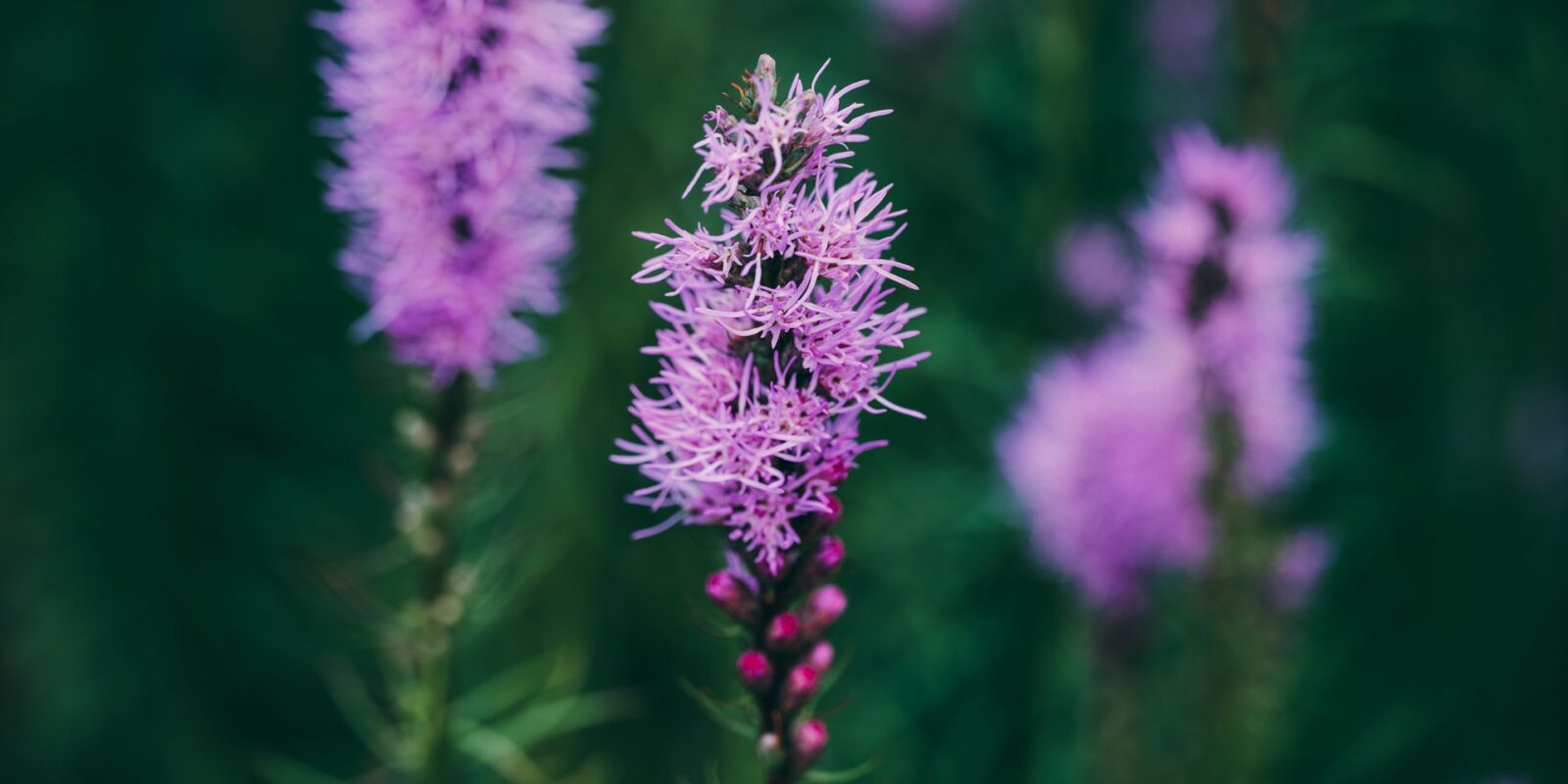
When I planted prairie dropseed and liatris in my backyard this fall, the small plugs looked almost insignificant against the expanse of soil around them. I found myself imagining what they might become, which insects might discover them, and whether they would settle into the conditions I’d chosen.
I thought of my mother again.
She had a remarkable, unrelenting faith in the possibility of growth. Perhaps that’s one of the things she passed down to me: tenacity and resilience.
I garden because I love plants, because I’m fascinated by the natural world, and because I want to create something beautiful and ecologically meaningful where I live. But I also garden to honor her.
My grandfather worked land that was his and not his, growing food that sustained the livelihood of his extremely large family. My mother made a sanctuary for plants and nurtured them back to health. Three generations later, I’m learning to grow a garden that belongs to the coastal landscape I now call home.
I used to think my mother had a gift I hadn’t inherited. Now, standing in a garden full of things I’m still learning to keep alive, I wonder whether she gave me something more enduring: the desire to care for what grows.
I’m also documenting this journey through my Coastal Carolina Garden by Literanista series on YouTube and sharing what I’m learning about native plants, conservation, and community engagement across my channels. I hope these spaces become opportunities to exchange ideas, learn from experienced gardeners, and encourage others who, like me, are finding their own way into gardening and environmental stewardship.
My grandfather cultivated land he didn’t own. No one can really ever own the land. My mother surrounded herself with plants and gave struggling ones another chance. I’m learning to care for a small piece of this damp clay, and helping others discover what grows here.
I garden to honor my mother. One more seed. This new chapter feels like another way of continuing what she began.
The Literanista Bookshelf
Further Reading: On Memory, Land, and Belonging
A garden is never entirely our own. It is shaped by those who came before us, by the histories of the land itself, and by the living things with which we share it.
For readers interested in exploring these connections further, I’ve gathered a few books and resources that bring together natural history, inherited knowledge, cultural memory, and the practice of tending the earth.
From the Bookshelf
An extraordinary meeting of Indigenous wisdom, scientific knowledge, and personal reflection. Kimmerer invites us to reconsider what it means to live in relationship with the natural world, and what we owe in return for its gifts.
Part history, part memoir, and part reclamation of ancestral knowledge, Remedios recovers the lives of Puerto Rican women through stories of plants, healing, resistance, and survival. It reminds us that much of what we inherit has been preserved outside formal archives, in families, kitchens, gardens, and the knowledge passed between generations.
Rooted in South Carolina, Lanham’s memoir explores the complicated relationship between landscape, ancestry, identity, and belonging. It is a reminder that the places we love carry histories far older and more complicated than our own.
A beautifully illustrated collection of essays finding wonder in the natural world. Through memories of family, childhood, and the many places she has called home, Nezhukumatathil reveals how our relationships with other living things can help us understand ourselves.
A meditation on abundance, reciprocity, and the lessons we might learn from the generosity of the natural world.
A practical introduction to native plants for southeastern gardens, offering a way to turn ecological curiosity into more informed planting decisions.
A Writing Invitation
The Garden of Memory
Think of a plant that reminds you of someone you love, or a place you once called home.
Who cared for it? What did it smell like? What stories go with it? What might be lost if no one remembers anymore?
Write those memories down. Ask someone in your family what grew in the gardens of their childhood. You may discover that the history of a family can sometimes be traced through the things it planted, nurtured and cultivated, and carried from one home to another.