 Literanista
April 5, 2022
Literanista
April 5, 2022
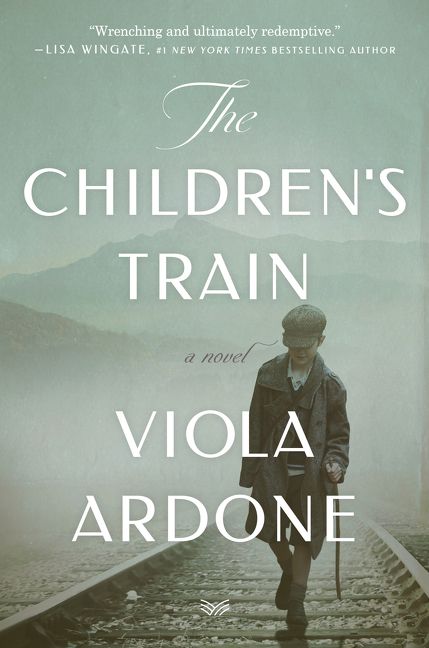
Based on a true events, with more than 5,922 ratings on Goodreads, when I saw The Children’s Train, by Viola Ardone, Translated by Clarissa Botsford, eBook on sale I couldn’t let it pass me by.
Lately, it’s been laborious to read, to concentrate. I’ve read that it’s “pandemic brain,” but it could easily be attributed to my autoimmune disorder, stress, or just being a parent to a young child. Regardless, I managed to read and finish this book.
With little knowledge of my paternal Italian heritage, lately, I’ve become utterly obsessed with all things southern Italian. The history, the culture, the traditions and influences that have shaped this region and perhaps, the small ancient village that my grandmother was from: Sannicandro di Bari, Bari, Puglia, Italy.
This is a story about the devastation of poverty. “La Miseria” it’s called. It’s a story of the heart-wrenching love of a single mother with little to offer her child, and so she grudgingly agrees to send him away. The book is described as a coming of age story but I found it rather odd, as it jumps from a seven-year-old protagonist, Amerigo Speranza, to his return home as a man, with a plot hole in between. I would have enjoyed to have more details filled in about what his life was like and why he made the choices that he made.
I was also left wondering about the identity of his mother’s lover as Amerigo notices his real name of his mailbox, he comes to a realization but it wasn’t clear to me, what exactly that realization signified.
This is a book about Italy, about love, loss and ambition. As a mother to a young son and as a child of a single parent, raised in poverty, now motherless, I won’t lie. This book made me cry.
If you enjoy moving historical fiction or are an italophile like me, I definitely recommend it.
View my entire list of Italian Heritage book recommendations on Bookshop.org