Guatemala asks US for full disclosure on sex diseases study
(AFP) – 17 hours ago
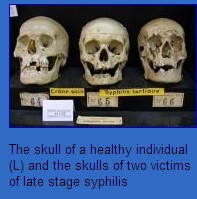
GUATEMALA CITY — Guatemala on Wednesday issued a formal request for full disclosure on how US scientists deliberately infected hundreds of people here with sexually transmitted diseases from 1946-1948.
“All of the information has been requested officially but it is still at the university where they found the archives,” President Alvaro Colom said of the cases of 1,500 Guatemalans who were used unwittingly in testing that some locals have likened to Nazi experiments.
These curated books trace the witch from early-modern trials and accusations to feminist history, reproductive politics, aging, sexuality, power, and Gothic fiction.
Explore the inner lives of boys through psychology, reporting, memoir, cultural criticism, and fiction, from friendship and masculinity to pornography, consent, trauma, race, social media, feminism, and the complicated work of loving sons without possessing them.
A personal and cultural essay on Puerto Rican porridges, including silky maizena, avena and harina de maíz recipes with cinnamon, fresh ginger, and dried orange rind, plus lactose-free options.
I have been seeing a lot of requests for feminist rage books lately, and I understand why. We are living …
Spread the love
Cookies are used on this website to give you the most relevant experience by remembering your preferences and repeat visits. By clicking “Accept”, you consent to the use of ALL the cookies.
This website uses cookies to improve your experience while you navigate through the website. Out of these cookies, the cookies that are categorized as necessary are stored on your browser as they are essential for the working of basic functionalities of the website. We also use third-party cookies that help us analyze and understand how you use this website. These cookies will be stored in your browser only with your consent. You also have the option to opt-out of these cookies. But opting out of some of these cookies may have an effect on your browsing experience.
Necessary cookies are absolutely essential for the website to function properly. This category only includes cookies that ensures basic functionalities and security features of the website. These cookies do not store any personal information.
Any cookies that may not be particularly necessary for the website to function and is used specifically to collect user personal data via analytics, ads, other embedded contents are termed as non-necessary cookies. It is mandatory to procure user consent prior to running these cookies on your website.
 Literanista
October 8, 2010
Literanista
October 8, 2010