Harlem Get Funding for a New Arts Space

New York City is using $2.2 million in federal stimulus funding to develop My Image Studios (MIST), a 20,000-square-foot facility devoted to African and Hispanic arts and culture will offer three screening rooms, performance space, film and digital media studios for postproduction work, and a 7,000-square-foot restaurant, in Harlem – on West 116 Street on the ground floor of the Kalahari Condominium, a new 249-unit mixed-income development that was completed two years ago.
Via Crain’s New York Business

Spread the love

More Articles for You

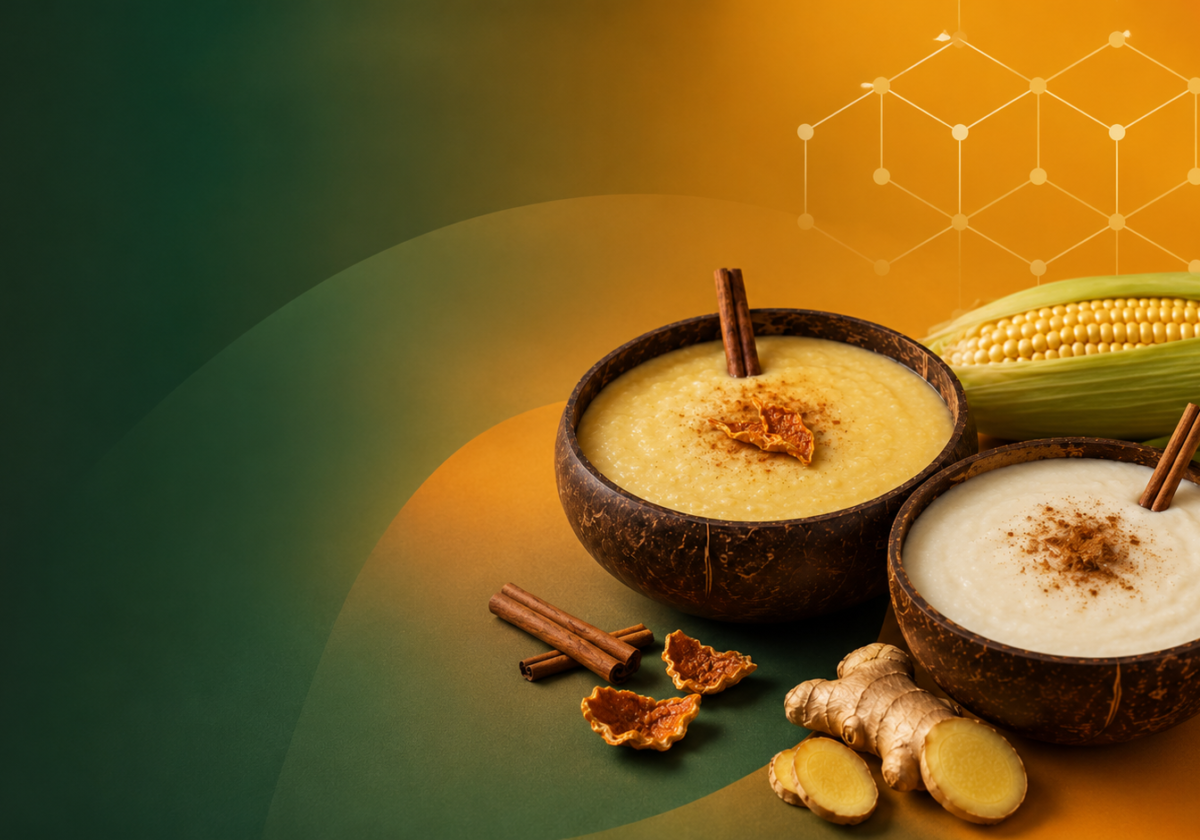
Puerto Rican Porridges: Maizena, Harina de Maíz, and the Comfort of the Boricua Breakfast

A personal and cultural essay on Puerto Rican porridges, including silky maizena, avena and harina de maíz recipes with cinnamon, fresh ginger, and dried orange rind, plus lactose-free options.

Spread the love

Yesteryear and the Problem of “This Moment” Fiction

Disclosure: I received a complimentary advance review copy of Yesteryear. As always, receiving a galley does not influence my opinions. …

Spread the love

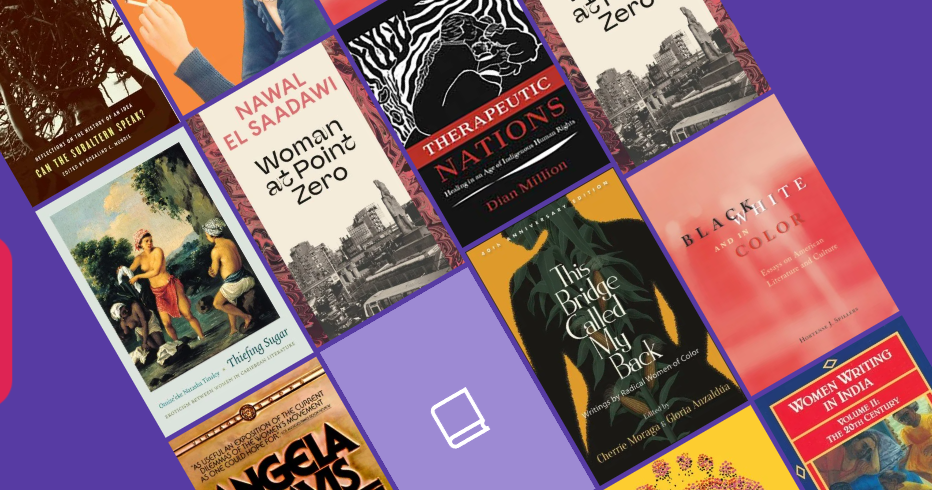
42 of the Best Feminist Rage Books and Feminist Theory Books to Read Right Now

I have been seeing a lot of requests for feminist rage books lately, and I understand why. We are living …

Spread the love

Resilience Is Too Often a Word Used for People the System Has Exhausted

Puerto Rico is often noted for its resilience, but “resilience” can be a dangerous word. It can turn endurance into …

Spread the love

Basque, Portuguese & Noble Families of Puerto Rico: The European Roots You Didn’t Learn About

Explore how Basque, Portuguese, and noble European families shaped Puerto Rico’s southern towns (like Ponce) through surnames, migration paths, and hidden ancestral histories.

Spread the love

Puerto Rican Surnames with Taíno & African Roots: Origins in Ponce, Juana Díaz & the Southern Highlands

Many of the names we still see today (Montalvo, Negrón, Fontanes, Rivera, Chamorro, Zapata, Maldonado) carry the intertwined legacies of Taíno survivors, Africans and European migrants who moved through the island. This guide unravels those lineages with care.

Spread the love